
Dear reader,
This blog was created as a form of release. It’s very personal to me and captures different forms and phases of myself. The parts I didn’t know existed and the parts I used to dislike. The beauty of self-love and self-acceptance, I’ve realized, isn’t about pretending to like all aspects of ourselves; it’s simply about being okay with every single one.
With love,
Mahalia
The clip is from a 1971 interview with James Baldwin and Nikki Giovanni on the WNET television series SOUL!
Pain has a way of stripping everything away, leaving you with nothing but the truth.
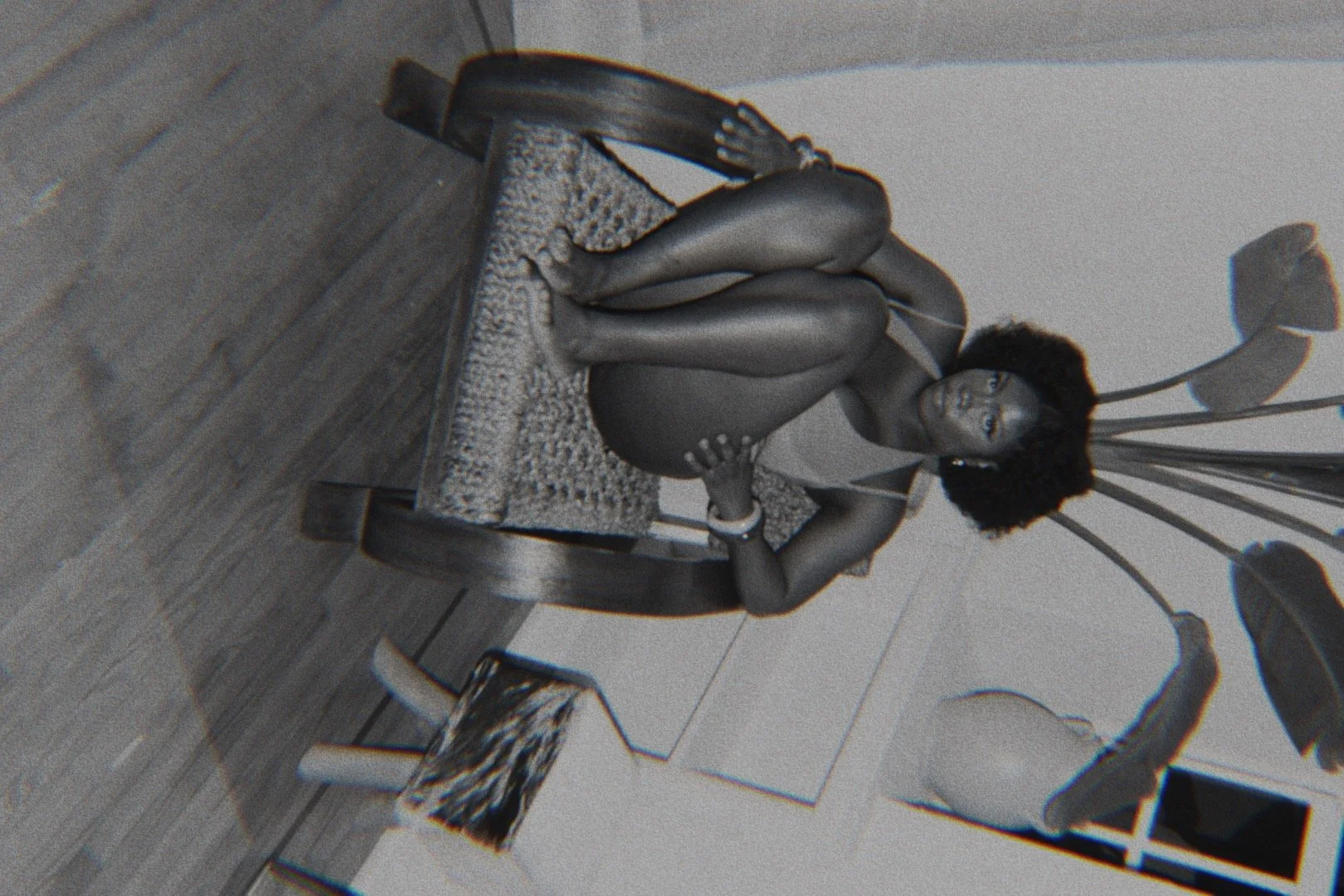
Creating coping mechanisms, reminding myself of my goals and path, reconnecting with the world, creating art, and being present, learning how to not be attached to everything and everyone, these things saved me.
The Mastering of Trauma
Have you ever wondered why we tend to remember embarrassing moments more vividly than the joyful ones? You might easily remember a time you wanted to disappear from embarrassment, but struggle to remember the last time you watched a sunset and how it made you feel. This isn't a flaw in your memory; it's a profound function of your brain.
Unconsciously, your brain will put you in situations that allow you to master past trauma. It's a survival mechanism, a way for your mind to process and overcome past hurts. This is why some situations can feel "safe" even when they are not, while other situations that feel "unsafe" might actually be the safest environment for you. The brain remembers the moments that caused trauma to learn from them. In an unconscious effort to heal, it will put you back into situations that feel familiar.
Close the chapter. Move on. Don't dwell on the "what ifs." Embrace the "what was." It's about integrating the past into your present, not being trapped.
The Brain Lies, The Heart Knows
Our brains are hardwired for survival, and they can sometimes trick us into thinking that the worst-case scenario is the most likely outcome, even when there’s no real evidence to support those fears. They might whisper that we’re not good enough or that everyone is judging us, all in an attempt to keep us "safe" from any perceived risk. If you've been hurt in the past, like in a friendship, your brain may generalize that pain. It might tell you that all new friends will betray you, even when someone new shows genuine kindness. This protective instinct tries to build walls, but those walls can often leave you feeling isolated and alone.
So, what truly matters to you? What feels right, even if it’s not the easiest choice? Your heart usually knows what aligns with your deepest values and beliefs. What do you genuinely long for? What makes you feel alive, fulfilled, and connected? Your heart often understands what your brain might want to rationalize away because of fear or societal pressures. While your brain might shout, "Stay safe! Don’t trust anyone! Follow the crowd!" your heart may gently encourage you to "Take a chance. Be vulnerable. This feels right."
Establishing healthy boundaries, communicating openly, addressing issues early, understanding your triggers, and recognizing your patterns can help you avoid unnecessary pain.
The goal is not necessarily to change.
Unlearning doesn't necessarily mean changing who you are; rather, it involves letting go of things you were taught while still feeling and sometimes acting in those ways because they are ingrained in you. It’s about not continuing your education in a manner filled with fear and toxicity. It’s also about understanding yourself so thoroughly that you become aware of unhealthy behaviors. From there, you can change those actions or better understand your emotions, while recognizing that they don’t define you. Over time, as you become more in tune with yourself, this process will become second nature.
The pain-body
Being present allows me to notice painful emotions without getting caught up in them. This concept, I learned from Eckhart Tolle’s book “The Power of Now,” it teaches us that our emotional pain isn’t just a thing of the past; it's an energy within us that can resurface and influence how we feel and react. When this pain-body is triggered, it can take charge, making us relive old hurts and react in ways that don’t match the current situation. You might feel physical signs of this activation, like tension, tightness, or a sinking feeling in your stomach. These feelings can lead to strong emotional reactions like anger, sadness, or fear that seem out of place or an overwhelming sense of heaviness.
Instead of saying, "I am angry" or "I am sad," try shifting your mindset to "I am observing anger" or "There is sadness in me." Remember, you are the awareness behind the emotions, not the emotions themselves. When those feelings come up, gently bring your focus back to the present moment. Tune into what you are doing right now. What do you hear, see, or feel?
This practice has helped me stay grounded.
You’re More Than Just Your Attachment Style
Let’s talk about attachment styles in relationships. Some people have insecure attachment styles that dictate how they show up in relationships. While we may seek validation, support, and companionship, these unmet needs, especially with an insecure attachment style, can sometimes lead us toward unhealthy dynamics. It's easy to fall into a cycle where we’re constantly looking for what we need outside of ourselves. It’s important to remind ourselves that feeling this way doesn’t make us flawed or define who we are. Rather, these feelings can be a chance to learn more about ourselves and figure out how to communicate our needs better. When we work on loving and understanding ourselves, it becomes so much easier to extend that same compassion to others. We can confront our fears about what we truly want and, in the end, stop pushing those desires away. It’s very important to be kind to yourself. Something that helped me a lot is to remember everything is like a mirror.
Let them
I really love the poem "Let Them" by Cassie Phillips. As someone who often feels the need to be in control, I found that I would unconsciously do things for others without letting them show me if they truly deserved to be in my life. I think a big reason for this was my fear of rejection, and being in control felt like a way to prevent that. The "Let Them" theory is also important for people who do the opposite, push people away. It teaches you to let things be and give people the chance to show up for you and show you love.
The "Let Them" poem encourages people to release the need to control others' actions and instead focus on their own self-worth. It advises you to "let them" show you who they are, rather than trying to force them to be who you want them to be.
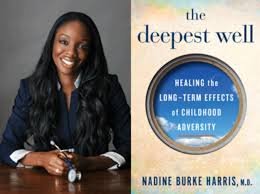
Nadine Burke Harris is a Canadian-American pediatrician known for her work on the impact of childhood trauma and adverse childhood experiences (ACEs) on health across a lifetime. She served as California's first Surgeon General from 2019 to 2022. Burke Harris is also the founder of the Center for Youth Wellness and author of the book "The Deepest Well: Healing the Long-Term Effects of Childhood Adversity".
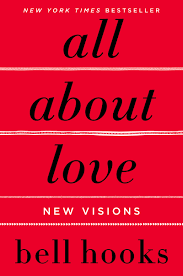
Bell Hooks (born Gloria Jean Watkins) was an African-American author, feminist, and social activist. Her writing focused on the interconnectivity of race, class, and gender and their ability to produce and perpetuate systems of oppression and domination. She published over thirty books and numerous scholarly and mainstream articles, appeared in several documentary films and participated in various public lectures. Primarily through a postmodern female perspective, she addressed race, class, and gender in education, art, history, sexuality, mass media and feminism
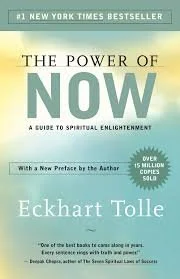
Eckhart Tolle is a spiritual teacher and author, best known for his books The Power of Now and A New Earth. He is recognized for his teachings on the importance of living in the present moment and transcending the ego to find inner peace and happiness. Tolle's work emphasizes mindfulness and the transformative power of consciousness

Born a Crime is the story of a mischievous young boy who grows into a restless young man as he struggles to find himself in a world where he was never supposed to exist.
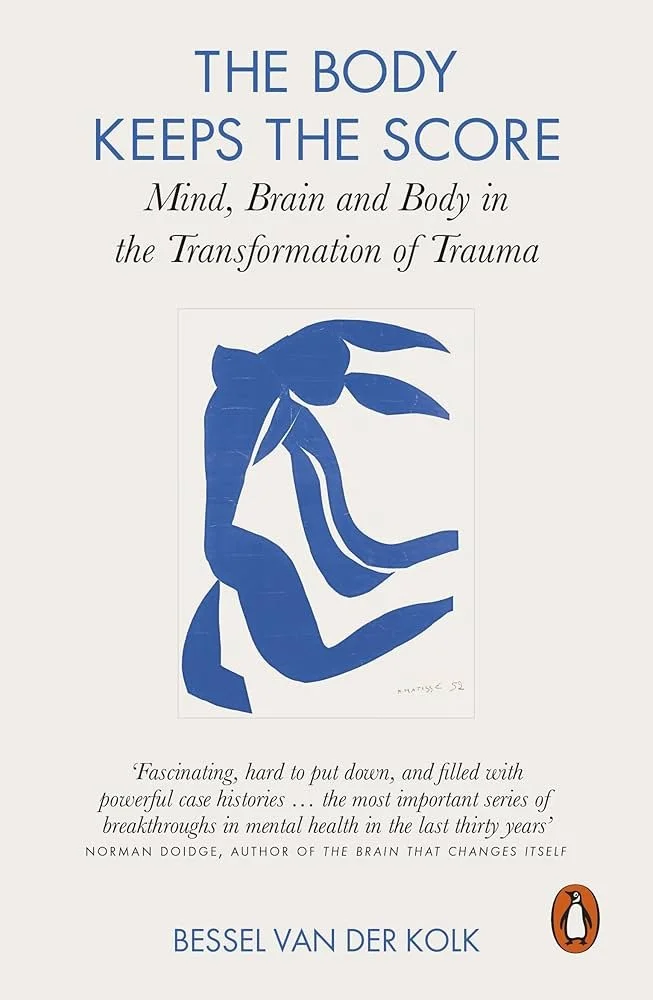
The Body Keeps the Score is the inspiring story of how a group of therapists and scientists-together with their courageous and memorable patients—has struggled to integrate recent advances in brain science, attachment research, and body awareness into treatments that can free trauma survivors from the tyranny of the past.
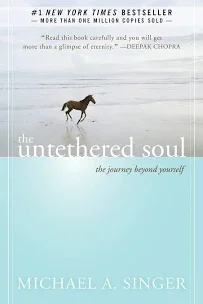
Copublished with the Institute of Noetic Sciences (IONS) The Untethered Soul begins by walking you through your relationship with your thoughts and emotions, helping you uncover the source and fluctuations of your inner energy. It then delves into what you can do to free yourself from the habitual thoughts, emotions, and energy patterns that limit your consciousness. Finally, with perfect clarity, this book opens the door to a life lived in the freedom of your innermost being.
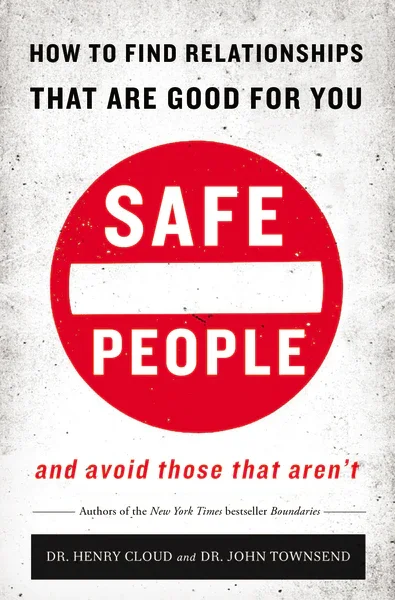
Safe People will help you discover why good people can get tangled in bad relationships, how to avoid repeating your own mistakes, and how to pick safe, healthy people for the friends you make and the company you keep.